Project Scope
Research Gap
The accuracy of location data in supermarkets is a significant research gap, as it may vary depending on factors such as distance, store layout, and material properties. The longevity of LoRa tags in high-traffic environments is another area of concern. Interference with other wireless technologies, such as Wi-Fi, RFID, and cellular networks, is another concern. There is a research gap in creating a reliable and accurate system that can follow people in real-time and upload information to a database. To increase the precision of consumer counting, computer vision techniques and machine learning algorithms should be explored in conjunction with CCTV cameras. In the field of automated freshness identification of fruits and vegetables using computer vision, integrating multi-modal sensory data fusion is essential for more robust and accurate assessments. Developing fusion techniques that adaptively combine data from multiple sources based on individual properties of different fruits and vegetables could improve the reliability of freshness detection systems. The primary research gap in developing an indoor navigation app using BLE beacons is the accuracy of location tracking. Factors such as signal interference, signal attenuation, and multi-path propagation affect the accuracy of location tracking. Another research gap is the availability of product information in supermarkets. Automated inventory management systems are not always accurate and do not provide real-time information. To address these issues, researchers need to explore different techniques for providing real-time product information through indoor navigation apps.
Research Problem
Supermarkets struggle with finding and recognizing items due to the large number of aisles and shelves. Product localization systems can help by providing precise methods for finding and recognizing products. Efficient interior navigation systems can enhance shopping experiences by spotting crowds and providing real-time data on congestion levels. However, issues like channel noise and signal loss affect location tracking. Real-time product information availability is another challenge in designing indoor navigation apps. Distinguishing freshness in fruits and vegetables is complex due to factors like visual indicators, subjective interpretations, and dynamic store settings.
Literature Review
The integration of real-time location tracking and indoor navigation in supermarkets can provide a smooth and personalized customer experience, potentially boosting sales and reducing dissatisfaction. BLE beacons have been used to direct shoppers in malls and museums, enhancing the visitor experience and increasing engagement. The Internet of Things (IoT) has also opened up new possibilities for improving operational effectiveness and consumer experience in retail settings. LoRa technology, known for its low power consumption, long communication range, and flexibility, has been modified for indoor localization. Machine learning techniques, particularly deep neural networks, have been deeply incorporated into indoor positioning systems to increase accuracy. The adoption of modern technologies has significantly changed the retail industry, with advancements in computer vision algorithms for crowd analysis and real-time consumer counts. Convolutional Neural Networks (CNNs) have been shown to be effective for image classification tasks, and deep learning techniques in grocery store environments have been explored for inventory control and product recognition. The Smart Navigation System for supermarkets combines the strengths of CNNs, image processing, and deep learning to provide a comprehensive solution for customers to navigate the store while ensuring the freshness of their chosen fruits. This research pushes the boundaries of retail technology by providing a creative and useful solution to improve the grocery shopping experience and demonstrate the revolutionary power of intelligent systems.
Research Objectives
Develop the indoor navigation system in supermarkets. This is achieved through the integration of various technologies LoRa, CCTV camera footages. The research tasks aim to find real-time location of products, real time customer movement and provide a clear and efficient navigation system that can avoid congested areas and raw fruits and vegetables identification system.
Assign the location by using the LoRa tags to the various product categories in the supermarket.
In a supermarket, LoRa tags can be utilized to assign accurate locations to various product categories. This enables efficient inventory management, precise restocking, and personalized shopping experiences, ultimately enhancing customer satisfaction and streamlining store operations.
Identify the raw fruits and vegetables in the supermarket using machine language.
Machine learning can be employed to identify raw fruits and vegetables in a supermarket. By leveraging computer vision and deep learning algorithms, cameras can recognize and categorize produce, aiding in inventory control, freshness assessment, and checkout automation for a more seamless shopping experience.
Using CCTV camera footage for crowd identification and counting in the supermarket.
CCTV cameras can be employed for crowd identification and counting in supermarkets through computer vision and image processing. These technologies analyze video footage to accurately determine crowd size and movement patterns, aiding in store layout optimization, resource allocation, and customer safety.
Create mapping for BLE beacons and create new model for identify customer position in the supermarket map.
By deploying BLE (Bluetooth Low Energy) beacons throughout the supermarket, a precise customer position model can be developed. This model combines beacon signals with smartphone data to create an accurate real-time map, facilitating personalized shopping experiences and location-based services within the store.
Methodology
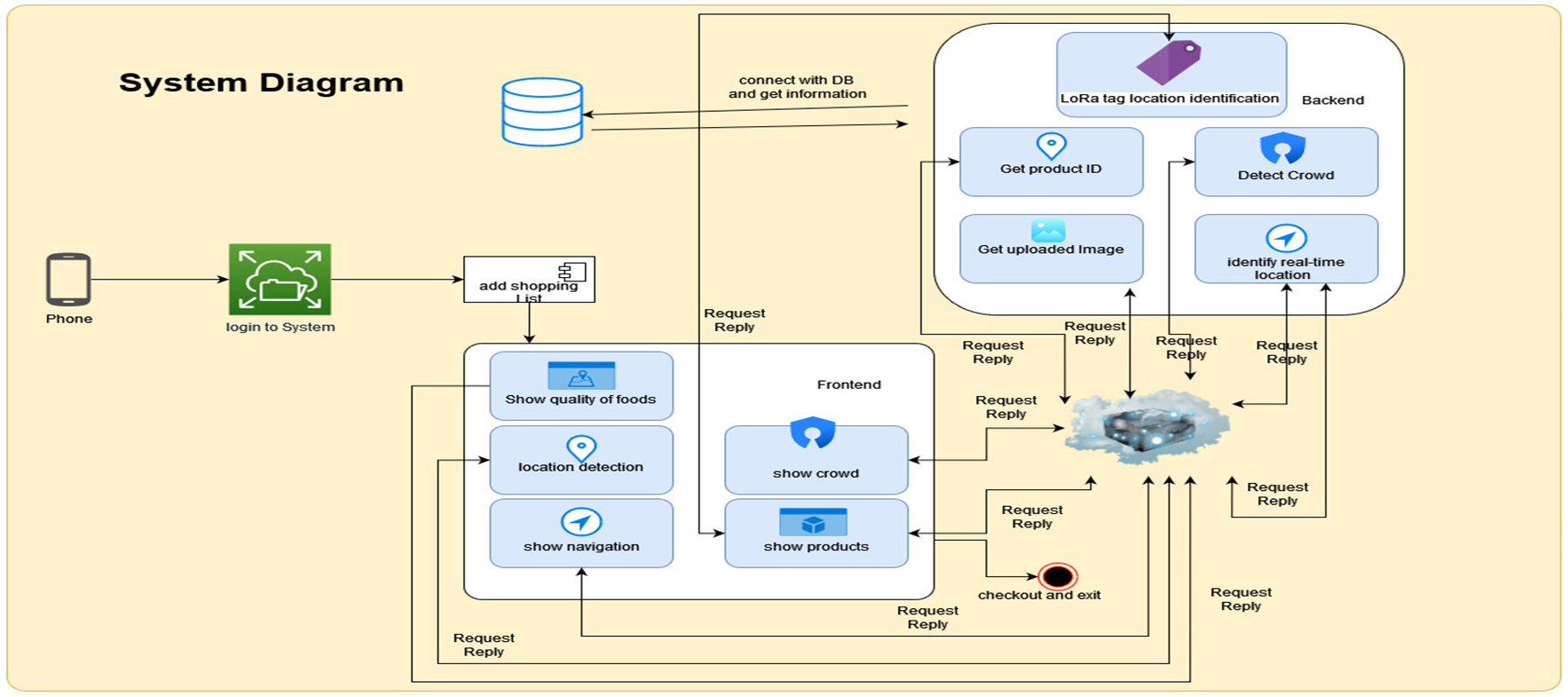
Figure 1. High Level Architecture of the system.
The proposed pest and disease Surveillance system consists of 4 main components. They are;
- Indoor Navigation System
- Product Location Identification
- Crowd Counting And Identification
- Product Quality Identification
This study presents a smart indoor navigation system for supermarkets that uses LoRa tags to locate products. The system design involves determining the type of tags, positioning them in the supermarket, and data transmission protocols. The mobile applications must contain a user-friendly interface, turn-by-turn directions, and display of the product's current position. Localizing products is essential for improving consumer experience, inventory management, and overall operational effectiveness in supermarkets. Deployment of LoRa tags involves placing them on each individual product or shelf in the supermarket. These tags communicate with a centralized LoRa gateway and provide real-time data, including their location, distinctive identifiers, and other pertinent attributes. Deep Neural Networks (DNNs) are used to process and understand the incoming data. The research domain of developing an indoor navigation app for supermarkets using Bluetooth Low Energy (BLE) beacons involves various key pillars. Understanding these pillars is crucial for developing an effective indoor navigation app that provides accurate location tracking, real-time product information, personalized recommendations, and optimal path planning to the desired products. Path planning algorithms are used to determine the ideal route from the customer's current location to the requested product. Techniques such as graph theory, heuristic search, and machine learning can be utilized to develop path planning algorithms. A real-time crowd analysis and consumer counting system is being developed for indoor supermarket navigation. Hardware setup is necessary to install high-resolution CCTV cameras at strategic positions in the supermarket, and computer vision systems must be designed and trained using open-source computer vision libraries like OpenCV and TensorFlow. Density-based clustering and graph-based analysis algorithms should be created and used to locate congested regions in the supermarket. In conclusion, this study aims to develop a smart indoor navigation system for supermarkets using LoRa tags, Deep Neural Networks, and BLE beacon technology.
Technologies Used
Python

Anaconda

Tensorflow

Flutter

Firebase
Google Colab
Product Demo
Milestones
Timeline in Brief
-
March 2023
Project Proposal
A Project Proposal is presented to potential sponsors or clients to receive funding or get your project approved.
Marks Allocated : 6
-
June 2023
Progress Presentation I
Progress Presentation I reviews the 50% completetion status of the project. This reveals any gaps or inconsistencies in the design/requirements.
Marks Allocated : 6
-
July 2023
Research Paper
Describes what you contribute to existing knowledge, giving due recognition to all work that you referred in making new knowledge
Marks Allocated : 10
-
September 2023
Progress Presentation II
Progress Presentation II reviews the 90% completetion status demonstration of the project. Along with a Poster presesntation which describes the project as a whole.
Marks Allocated : 18
-
November 2023
Website Assessment
The Website helps to promote our research project and reveals all details related to the project.
Marks Allocated : 2
-
November 2023
Logbook
Status of the project is validated through the Logbook. This also includes, Status documents 1 & 2.
Marks Allocated : 3
-
November 2023
Final Report
Final Report evalutes the completed project done throughout the year. Marks mentioned below includes marks for Individual & group reports and also Final report.
Marks Allocated : 19
-
November 2023
Final Presentation & Viva
Viva is held individually to assess each members contribution to the project.
Marks Allocated : 20
Downloads
Documents
Please find all documents related to this project below.
Topic Assessment
Submitted on 2023/02/25
- GroupDownload
Project Charter
Submitted on 2023/01/30
- GroupDownload
Project Proposal
Submitted on 2023/05/24
- IndividualDownload
Status Documents I
Submitted on 2023/05/22
- IndividualDownload
Status Documents II
Submitted on 2023/09/06
- IndividualDownload
Research Paper
Submitted on 2023/06/20
- GroupDownload
Poster
Submitted on 2023/09/04
- GroupDownload
Presentations
Please find all presentations related this project below.
About Us
Meet Our Team !






Contact Us
Get in Touch
Contact Details
For further queries please reach us at researchnavgo@gmail.com
Hope this project helped you in some manner. Thank you!
-Team NAVGO